

Understanding Mechai Diagnostics Technology for Vehicle Diagnostics
- Mar 17
- 4 min read
When it comes to vehicle diagnostics, precision and speed are everything. You want to pinpoint issues fast, avoid guesswork, and get the job done right the first time. That’s where Mechai diagnostics technology steps in, revolutionizing how mechanics and automotive DIYers approach vehicle troubleshooting. Imagine having an AI-powered assistant that not only understands complex automotive systems but also guides you through repairs with confidence. Sounds like a game-changer, right? Let’s dive into what makes this technology a must-have in your diagnostic toolkit.
Why Mechai Diagnostics Technology is a Game-Changer
You’ve probably dealt with those frustrating moments when a vehicle’s check engine light comes on, and the usual scan tools just don’t cut it. Mechai diagnostics technology takes a fresh approach by combining artificial intelligence with deep automotive knowledge. This means it can analyze data from your vehicle’s sensors, interpret fault codes, and even suggest the most effective repair steps.
Here’s why this matters:
Faster diagnosis: No more wasting time chasing down vague error codes.
Higher accuracy: AI helps reduce human error in interpreting complex data.
Step-by-step guidance: Whether you’re a pro or a DIYer, you get clear instructions.
Learning capability: The system improves over time, adapting to new vehicle models and issues.
Think of it as having a seasoned mechanic whispering in your ear, helping you avoid costly mistakes and unnecessary part replacements.
How Mechai Diagnostics Technology Works in Real Life
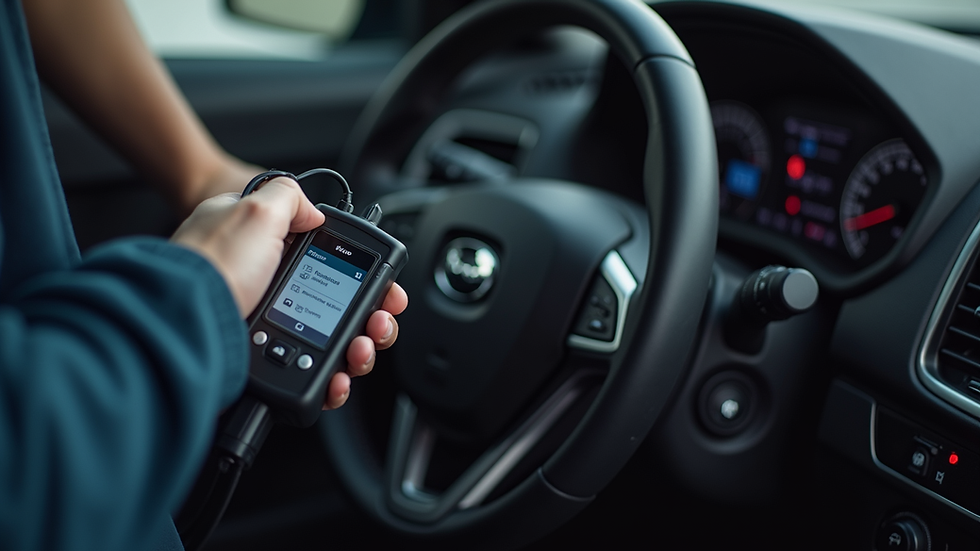
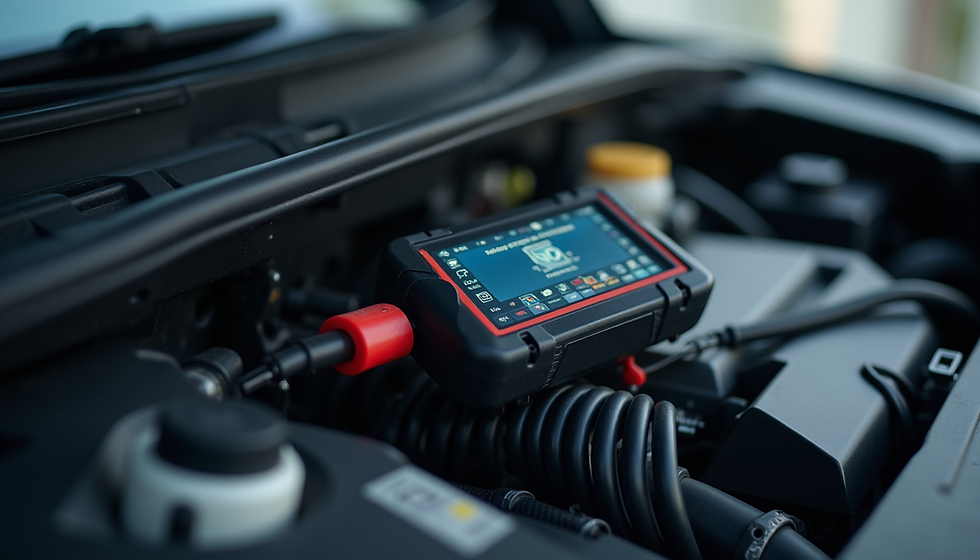
Let’s break down the process. When you connect a vehicle to a Mechai-powered diagnostic device, it immediately starts gathering data from the car’s onboard computer. This includes everything from engine performance metrics to emissions data and sensor readings.
Next, the AI engine kicks in. It cross-references the data with a vast database of known issues, repair histories, and manufacturer specifications. This is where the magic happens. Instead of just spitting out generic fault codes, the system provides:
Contextual analysis - It understands how different symptoms relate to each other.
Prioritized fault list - It ranks issues by likelihood and severity.
Repair recommendations - It suggests specific fixes, tools needed, and estimated time.
For example, if your vehicle shows a misfire code, Mechai diagnostics technology won’t just tell you “P0300.” It will analyze sensor data, fuel system status, and ignition timing to pinpoint whether the problem is a spark plug, fuel injector, or something else entirely.
This level of insight saves you time and money, especially when dealing with complex modern vehicles packed with electronics.
What does the Mechai Foundation do?
The Mechai Foundation plays a crucial role in advancing this technology. They focus on developing AI solutions tailored for automotive diagnostics, aiming to empower mechanics and DIYers alike. Their mission is to simplify vehicle repair by making advanced diagnostic tools accessible and easy to use.
Some key initiatives include:
Research and development of AI algorithms that understand vehicle systems.
Training programs to help users get the most out of Mechai diagnostics technology.
Collaborations with automotive manufacturers to keep the database up-to-date.
Community support for mechanics and enthusiasts through forums and resources.
By bridging the gap between cutting-edge AI and hands-on vehicle repair, the foundation ensures that Mechai diagnostics technology stays relevant and effective in real-world scenarios.

Practical Tips for Using Mechai Diagnostics Technology Effectively
You might be wondering how to integrate this technology into your daily workflow. Here are some actionable tips to get the most out of Mechai diagnostics technology:
Keep your software updated: AI systems improve with new data. Regular updates ensure you’re working with the latest vehicle models and fault codes.
Use detailed vehicle info: Input accurate make, model, and year to get precise diagnostics.
Follow AI recommendations but verify: While the system is smart, always double-check suggested repairs with your expertise.
Document your repairs: Use the platform’s logging features to track what you’ve done. This helps build a repair history for future reference.
Leverage community insights: Engage with other users to share tips and troubleshoot uncommon issues.
By combining your mechanical skills with Mechai diagnostics technology, you’ll boost your efficiency and repair accuracy dramatically.
The Future of Vehicle Diagnostics with Mechai
The automotive world is evolving fast, and so are the challenges of vehicle repair. Electric vehicles, advanced driver-assistance systems, and complex electronics demand smarter diagnostic tools. Mechai diagnostics technology is designed to keep pace with these changes.
Looking ahead, expect features like:
Real-time remote diagnostics: Get instant support from experts anywhere.
Predictive maintenance alerts: AI will warn you before parts fail.
Integration with repair manuals and parts ordering: Streamline the entire repair process.
Voice-activated assistance: Hands-free help while you work under the hood.
This technology isn’t just about fixing cars; it’s about transforming how you approach vehicle maintenance and repair. With Mechai diagnostics technology, you’re not just diagnosing problems - you’re mastering them.
Ready to take your diagnostic skills to the next level? Embrace the power of mechai and watch your repair accuracy soar. The future of vehicle diagnostics is here, and it’s smarter, faster, and more reliable than ever before.


Comments